
Capturing the Perfect Shot: A Guide to Photography Equipment
Photography is an art form that allows us to capture moments, emotions, and memories in a single frame. Whether you are a professional photographer or an amateur enthusiast, having the right photography equipment is essential to achieving stunning results. From cameras and lenses to tripods and lighting, there are a wide variety of tools available to help you capture the perfect shot.
One of the most important pieces of photography equipment is the camera itself. There are many different types of cameras to choose from, ranging from simple point-and-shoot models to advanced DSLRs. The type of camera you choose will depend on your skill level, budget, and the type of photography you are interested in. For beginners, a basic point-and-shoot camera can be a great way to get started. These cameras are easy to use and are typically more affordable than DSLRs.
If you are looking to take your photography to the next level, investing in a DSLR camera is a good idea. DSLRs offer more advanced features and allow you to have more control over your images. They also have interchangeable lenses, which means you can switch out lenses depending on the type of shot you want to capture. When choosing a DSLR camera, consider factors such as resolution, ISO range, and shooting speed.
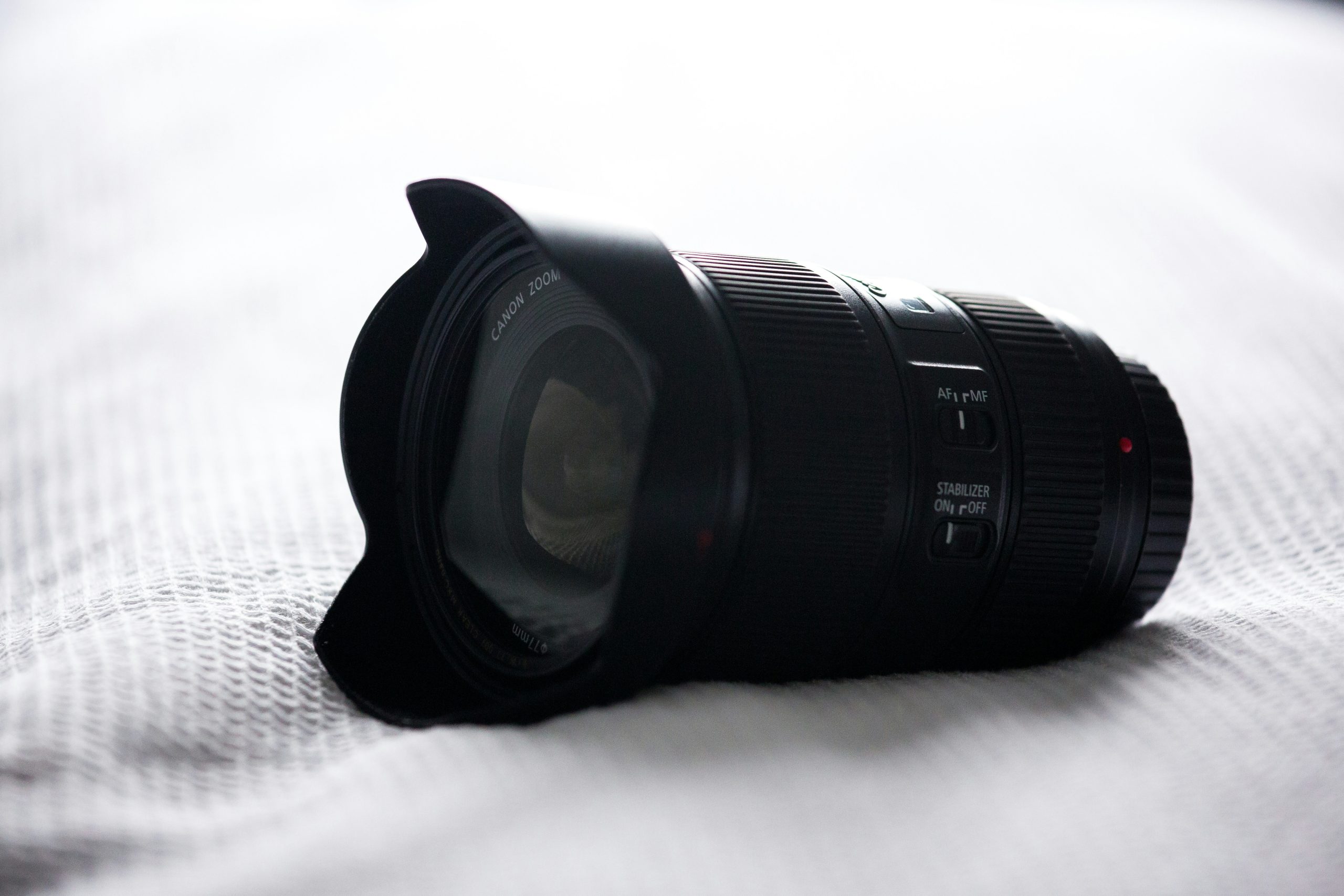
In addition to a camera, another essential piece of photography equipment is a good quality lens. Lenses come in a variety of focal lengths, from wide-angle to telephoto, and each type of lens is suited to different types of photography. For example, a wide-angle lens is great for landscape photography, while a telephoto lens is ideal for capturing wildlife or sports.
Alongside your camera and lenses, a tripod is another important piece of photography equipment. A tripod helps to stabilize your camera and prevents blurry images, especially in low light situations or when using slower shutter speeds. There are many different types of tripods available, from compact travel tripods to heavy-duty professional models. When choosing a tripod, consider factors such as weight, height, and stability.
Another essential piece of photography equipment is lighting. Good lighting is key to creating well-exposed and visually appealing images. While natural light can be beautiful, it is not always available or consistent. In these situations, artificial lighting such as strobes, continuous lights, or speedlights can be used to illuminate your subject. Reflectors and diffusers are also useful tools for controlling and manipulating light.
In conclusion, having the right photography equipment is essential to capturing the perfect shot. Whether you are a professional photographer or an amateur enthusiast, investing in quality cameras, lenses, tripods, and lighting will help you achieve stunning results. With the right tools and techniques, you can create images that are not only visually appealing but also convey emotion, tell a story, and capture moments that will last a lifetime.